Alkaline vs Mineral Water: Which Is Better for Daily Health and Hydration?
If you are trying to decide between alkaline and mineral water, here is the straight answer. Mineral water is generally the safer and more balanced option for everyday hydration, while alkaline water can be useful in specific situations but is not essential for most people.
When comparing alkaline vs mineral water benefits, the real difference comes down to natural nutrients versus altered pH levels. One supports your body with essential minerals. The other focuses on changing acidity levels.
For most households and businesses looking for the best drinking water for health, the choice should be guided by consistency, safety, and long-term wellness rather than trends.
This guide breaks everything down in simple terms so you can make a confident and informed decision.
Quick Comparison Table
Feature
Alkaline Water
Mineral Water
pH Level
Higher than 7 (usually 8–9.5)
Naturally balanced (6.5–8.5)
Source
Artificially processed or enhanced
Natural underground sources
Minerals
May be added during processing
Naturally occurring minerals
Taste
Smooth, slightly bitter
Crisp and refreshing
Daily Use
Situational
Ideal for daily hydration
Safety
Depends on processing quality
Strict natural standards
Cost
Usually higher
Varies but often more economical
What Is Alkaline Water?
Alkaline water is simply water with a higher pH level than regular drinking water. It can occur naturally, but most commercially available alkaline water is processed.
Manufacturers often use electrolysis or add minerals like calcium and magnesium to raise the pH. This is where the concept of pH balance drinking water comes into play. The idea is to reduce acidity in the body, although the human body already regulates its pH very effectively.
Many brands market alkaline water as a wellness upgrade. It is often positioned as a premium hydration option, especially among fitness enthusiasts and urban consumers.
What Is Mineral Water?
Mineral water comes from natural underground reservoirs and springs. It contains dissolved minerals such as calcium, magnesium, potassium, and bicarbonates.
Unlike processed water, mineral water is naturally enriched. It is collected and bottled with minimal intervention to preserve its original composition. This makes it a reliable source of essential nutrients.
When discussing purified vs natural mineral water, this distinction matters. Purified water is stripped of impurities and minerals, while natural mineral water retains beneficial elements that support hydration and overall health.
Key Differences Explained
pH Levels
Alkaline water is designed to have a higher pH, usually between 8 and 9.5. Mineral water, on the other hand, stays closer to neutral but can vary depending on its source.
While alkaline water promotes the idea of reducing acidity, the body already maintains a stable internal pH. For most people, drinking high-pH water does not significantly change this balance.
Nutrient Content
This is where mineral water stands out.
It contains naturally occurring minerals that your body actually uses. These minerals support bone strength, muscle function, and hydration efficiency.
The health benefits of mineral water include better electrolyte balance and improved digestion. These are real, measurable advantages compared to the often overstated claims around alkaline water.
Processing
Alkaline water is usually processed. Mineral water is naturally sourced.
This difference affects trust and quality. With mineral water, what you see is what you get. With alkaline water, quality depends on the method used to enhance it.
Health Benefits of Mineral Water
Mineral water offers more than hydration. It supports your body in subtle but important ways.
First, it provides essential minerals. Calcium strengthens bones. Magnesium supports muscle and nerve function. Potassium helps regulate fluid balance.
Second, it improves hydration efficiency. Water with minerals is absorbed more effectively compared to completely purified water.
Third, it supports digestion. Many people report reduced acidity and improved gut comfort when switching to mineral-rich water.
For businesses like Supreme Water Sales, this is where the real value lies. Offering naturally balanced water aligns with long-term health needs rather than short-term trends.
Potential Benefits and Risks of Alkaline Water
Alkaline water does have its place, but it is not without limitations.
Potential Benefits
Some users claim it helps reduce acid reflux or improves hydration after intense workouts. The smoother taste also appeals to many.
It may be useful for athletes or individuals with specific dietary needs where hydration recovery is important.
Risks and Considerations
There are also alkaline water side effects to keep in mind.
Drinking excessively high-pH water can interfere with normal stomach acidity. This may affect digestion over time.
Some users experience nausea or a feeling of heaviness when consuming too much alkaline water regularly.
The bigger issue is over-reliance on marketing claims. Alkaline water is often positioned as a cure-all, which it is not.
Which Is Better for Daily Drinking?
Based on Lifestyle
For everyday users, families, and office environments, mineral water is the better option. It offers consistent quality, natural nutrients, and fewer risks.
For athletes or highly active individuals, alkaline water can be used occasionally, especially after intense physical activity.
Practical Recommendation
If you are choosing a long-term solution, go with mineral-rich water. It supports hydration without interfering with your body’s natural balance.
If you want flexibility, a system that can provide both mineral and slightly alkaline water can be ideal.
This is where innovative solutions like atmospheric water generation are changing the game.
Myths vs Facts
Myth: Alkaline water cures diseases
Fact: There is no scientific proof supporting this claim
Myth: Higher pH always means better water
Fact: Balanced mineral content matters more than pH alone
Myth: All purified water is healthy
Fact: Without minerals, purified water may lack added benefits
Myth: Mineral water is just bottled water
Fact: True mineral water comes from protected natural sources
Best Drinking Water for Different Needs
Athletes
Athletes need hydration that restores electrolytes. Mineral water is excellent here due to its natural mineral content. Alkaline water can be used occasionally for recovery.
General Users
For daily consumption, mineral water is the clear winner. It is safe, reliable, and supports overall wellness.
Homes and Offices
Consistency matters. Systems that provide clean, mineral-rich water without dependency on bottled supply are becoming more popular.
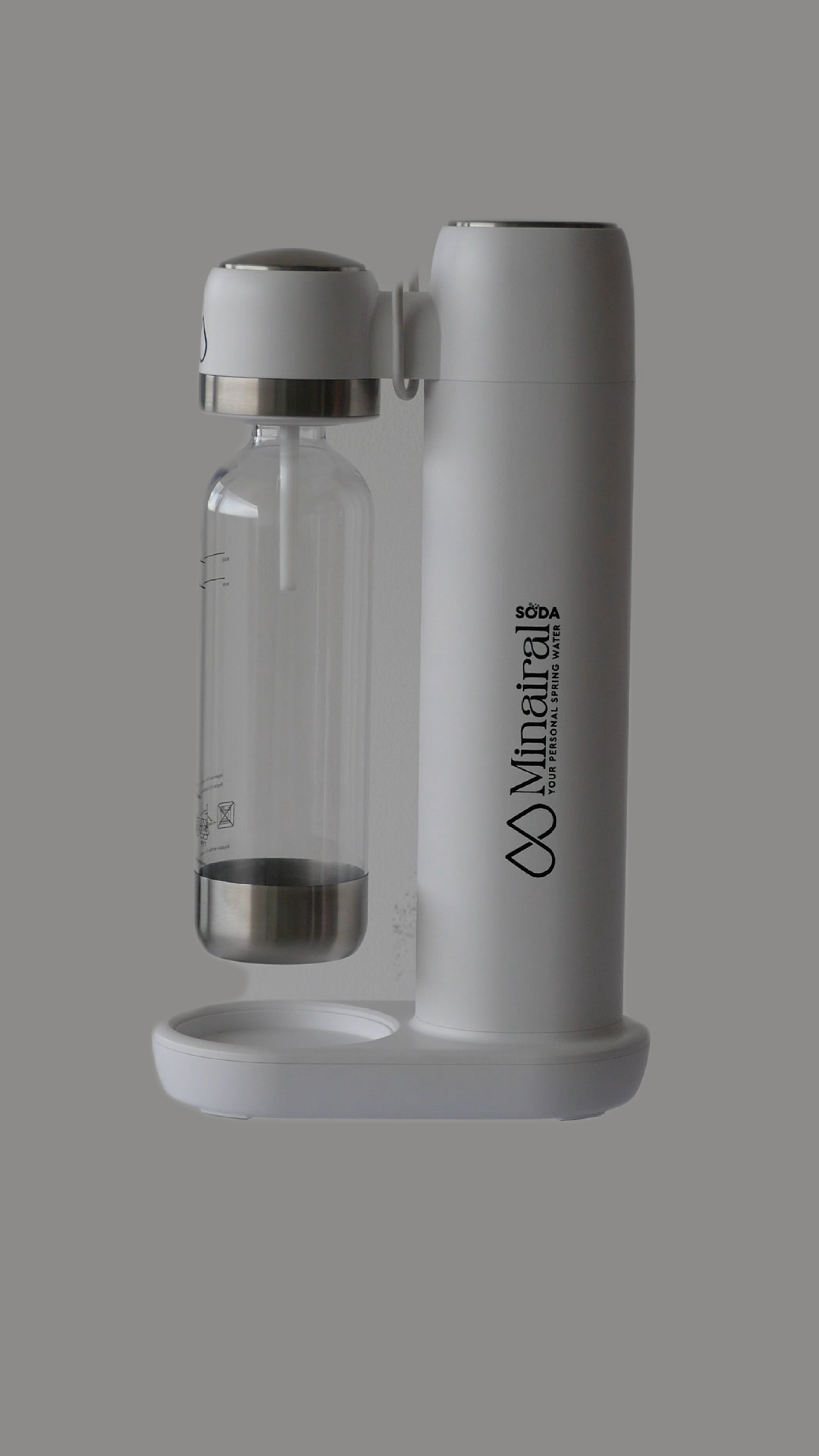
This is where solutions like the Minairal Atmospheric Water Generator stand out. It produces fresh water directly from air, enriched with essential minerals and balanced pH.
Instead of choosing between alkaline and mineral water, you get the benefits of both in a controlled and sustainable way.
Common Mistakes When Choosing Water
One common mistake is focusing only on pH. People often overlook mineral content, which is more important for health.
Another mistake is assuming all bottled water is the same. The source and processing method make a big difference.
Many buyers also fall for marketing claims without understanding their actual needs. Not everyone requires alkaline water daily.
Finally, ignoring sustainability is a growing concern. Dependence on bottled water creates long-term environmental and logistical challenges.
Smart consumers today are moving toward systems that provide clean, mineral-rich water at home or in the workplace.
Final Thoughts
Choosing between alkaline and mineral water is not about following trends. It is about understanding what your body actually needs.
Mineral water delivers consistent hydration and essential nutrients. Alkaline water can play a supporting role but should not replace a balanced approach.
For those looking to upgrade their water source, Supreme Water Sales offers solutions that go beyond traditional options. From natural mineral water to advanced systems that generate clean water from air, the goal is simple. Reliable hydration that supports real health.
In the end, the smartest choice is not just about what you drink today. It is about building a sustainable and healthy habit for the future.
FAQs
1. Is alkaline water better than mineral water for daily use?
No. Mineral water is generally better for daily hydration due to its natural nutrients and balanced composition.
2. What are the main alkaline vs mineral water benefits?
Alkaline water focuses on higher pH levels, while mineral water provides essential nutrients that support overall health.
3. Are there any alkaline water side effects?
Yes. Excess consumption may affect digestion and stomach acidity in some individuals.
4. What are the health benefits of mineral water?
It supports bone health, improves hydration, and provides essential minerals like calcium and magnesium.
5. Which is the best drinking water for health?
Water with natural minerals and balanced composition is the best choice for long-term health.
6. Is purified water better than mineral water?
Purified water removes contaminants but also strips minerals. Mineral water retains beneficial nutrients.
7. Can I drink alkaline water every day?
You can, but it is not necessary for most people. Moderation is key.