In modern workplaces, employee wellbeing has become a core responsibility of HR departments rather than an optional benefit. Among the many factors influencing health and productivity, hydration has gained significant attention. Organizations are now investing in a better office drinking water system to ensure employees have consistent access to clean and safe water throughout the workday. This shift reflects a broader understanding that even basic workplace amenities can directly influence performance, focus, and overall job satisfaction.
HR teams recognize that hydration is not just a health concern but also a productivity factor. Dehydration, even at mild levels, can affect cognitive abilities, reduce concentration, and increase fatigue. As a result, companies are reevaluating how water is provided and consumed within office environments, aiming to create systems that encourage regular hydration habits.
Water Access as a Core Part of Employee Wellbeing Strategy
The concept of employee wellbeing has evolved into a structured framework that includes physical, mental, and environmental health factors. Within this structure, hydration plays a surprisingly central role. Many organizations now treat access to clean drinking water as part of their broader employee wellness infrastructure, ensuring it is integrated into workplace planning rather than treated as a secondary facility.
This approach highlights a shift in HR thinking—from reactive support systems to proactive wellness design. Instead of addressing health concerns after they arise, companies are focusing on preventive measures, and hydration access is one of the simplest yet most effective areas of improvement.
Hygiene, Safety, and Trust in Workplace Water Systems
One of the key concerns for HR teams is ensuring that employees trust the quality of water they consume at work. Issues related to storage, handling, and contamination can significantly impact confidence in workplace amenities. This is why improving office drinking water safety has become a priority in many organizations.
Safe and hygienic water access systems reduce health risks and also improve employee perception of workplace care standards. When employees feel confident about what they are consuming, it contributes to a more positive and secure working environment. This trust factor plays an important role in overall job satisfaction and workplace morale.
Productivity Gains Linked to Better Hydration Access
Hydration is closely linked to cognitive performance, which makes it a critical factor in workplace productivity. Even slight dehydration can lead to reduced attention span, slower reaction times, and increased mental fatigue. For HR teams focused on performance optimization, this makes water access a surprisingly powerful lever.
A well-designed office drinking water system ensures that employees do not have to go out of their way to stay hydrated. By making water easily accessible, organizations encourage consistent consumption throughout the day. This helps maintain energy levels, improves concentration, and supports sustained productivity across teams.
Sustainability and the Shift Away from Bottled Water
Environmental concerns are also influencing HR decisions regarding workplace hydration. Many companies are moving away from bottled water due to its environmental impact, including plastic waste and transportation emissions. Instead, they are adopting centralized and sustainable water systems that reduce reliance on single-use packaging.
In this context, a modern office drinking water system is often designed with sustainability in mind, minimizing waste and reducing the organization’s carbon footprint. This aligns with corporate environmental goals and also resonates with employees who value eco-conscious workplace practices.
Cost Efficiency and Operational Simplicity
Beyond health and environmental considerations, cost efficiency is another major factor driving adoption. Traditional bottled water supply systems involve recurring costs such as delivery, storage, and waste disposal. These expenses can accumulate significantly over time.
By contrast, integrated hydration solutions offer more predictable operational costs and require less logistical management. For HR and facilities teams, this simplifies planning and reduces administrative burden. It also allows organizations to redirect resources toward other employee-focused initiatives without compromising on basic amenities.
Employee Expectations and Workplace Experience
Employee expectations have evolved significantly in recent years. Workers today expect more than just a functional workplace—they expect an environment that actively supports their wellbeing. Hydration access has become part of this expectation, especially in modern office settings.
A well-implemented office drinking water system contributes to a positive workplace experience by ensuring convenience, reliability, and quality. When employees feel that their basic needs are thoughtfully addressed, it enhances overall satisfaction and strengthens their connection to the organization.
The Role of Hydration in Retention and Workplace Culture
Workplace culture is shaped not only by leadership and policies but also by everyday experiences. Small but consistent improvements in facilities can significantly influence how employees perceive their workplace. Access to clean water may seem minor, but it contributes to a sense of care and consideration.
Organizations that prioritize hydration systems often see improvements in employee engagement and retention. When combined with other wellness initiatives, these systems reinforce a culture of health and support, making the workplace more attractive to both current employees and potential hires.
Smarter Hydration Solutions for Modern Workplaces
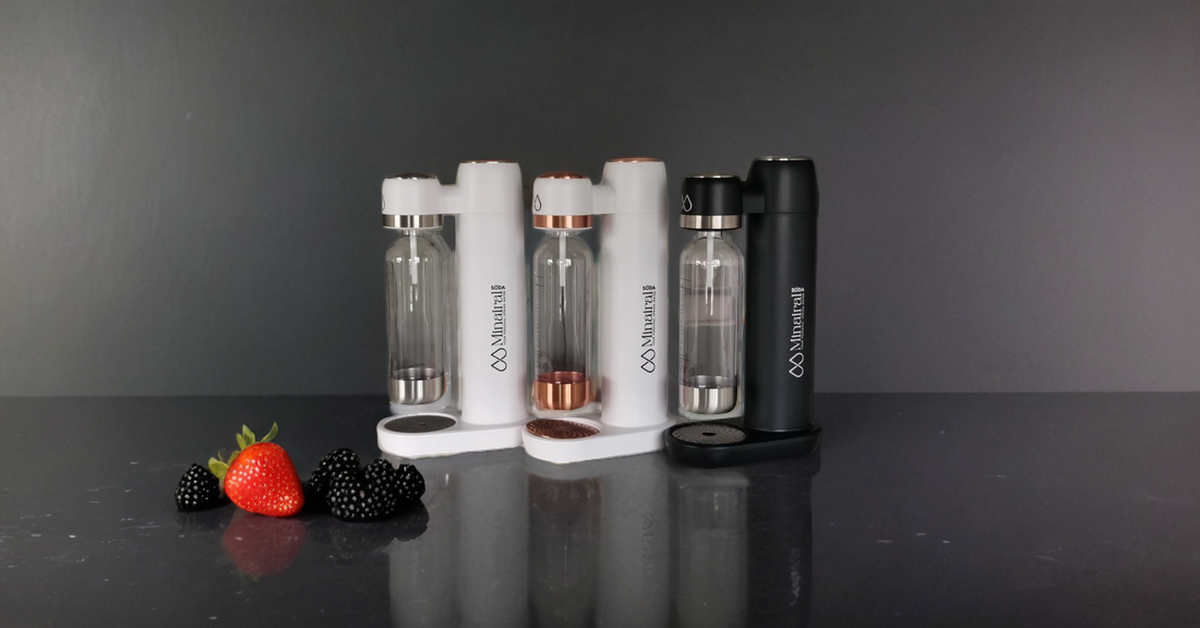
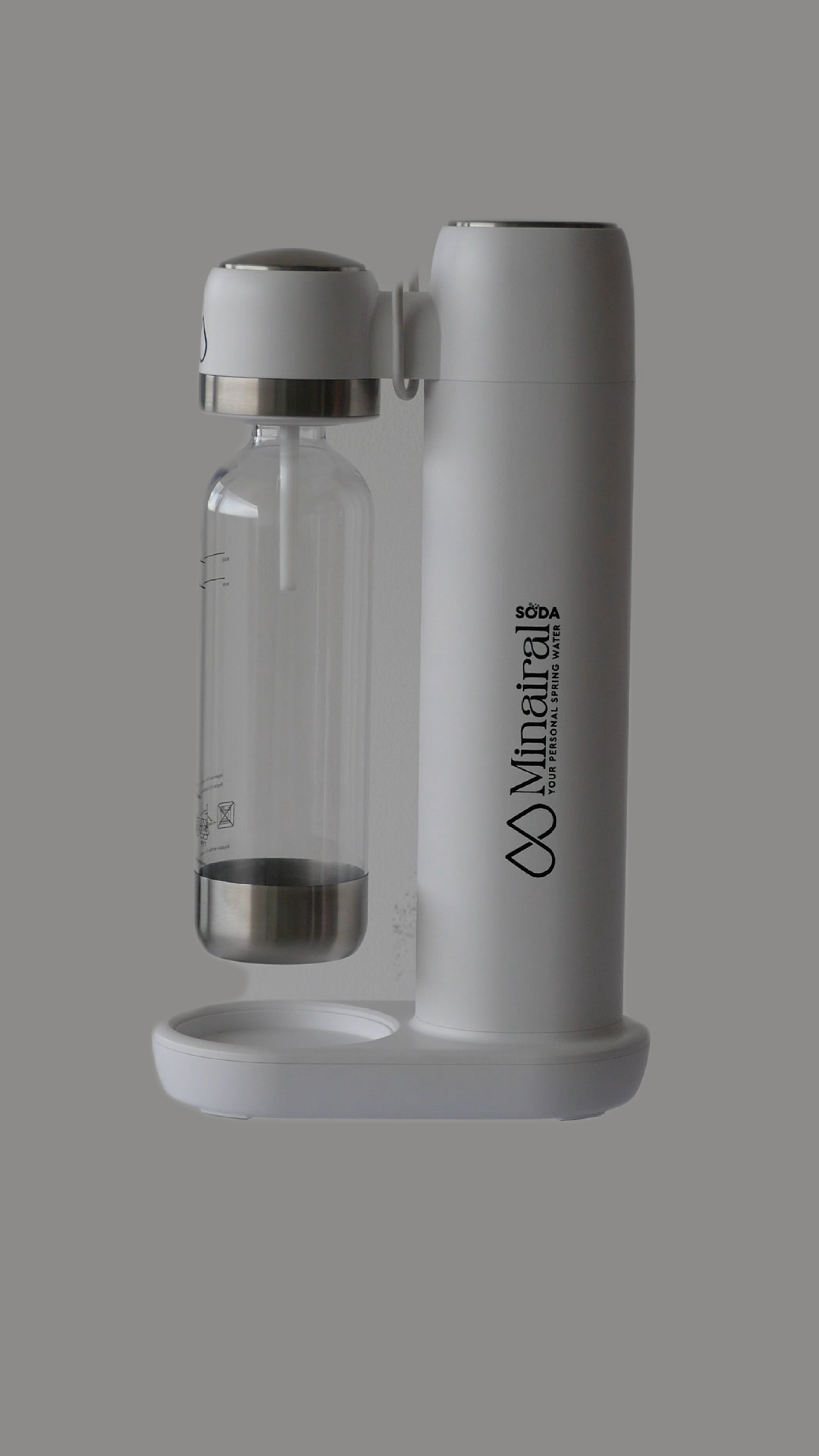
At Minairal CO. LTD, we understand how critical hydration is for productivity, wellbeing, and sustainability in today’s workplaces. Our advanced air-to-water technology and sustainable systems are designed to replace plastic bottles with pure, mineral-rich water, directly supporting a cleaner and healthier office environment. With our solutions, we help organizations reduce waste, improve office drinking water safety, and strengthen employee wellness infrastructure across all levels. We empower businesses to eliminate costly water deliveries while enhancing employee satisfaction through reliable hydration access. Our innovative approach ensures we deliver convenience, sustainability, and long-term value, helping workplaces build a healthier and more efficient future for everyone.
Conclusion
The growing focus on hydration reflects a broader transformation in how HR teams approach workplace design and employee wellbeing. What was once considered a basic utility is now recognized as a strategic asset that influences health, productivity, and satisfaction.
A well-planned office drinking water system is no longer just about convenience—it is about creating a healthier, more efficient, and more sustainable workplace. As organizations continue to invest in smarter employee support systems, hydration will remain a key pillar of modern workplace strategy.
Frequently Asked Questions
1. Why are HR teams focusing more on hydration systems?
HR teams recognize that hydration directly impacts employee focus, energy, and productivity. Better water access helps improve overall workplace wellbeing and performance.
2. How does a workplace water system affect productivity?
Consistent access to clean water helps prevent dehydration, which can reduce fatigue, improve concentration, and support better cognitive performance throughout the workday.
3. What is the role of water in employee wellbeing programs?
Water access is now considered part of broader employee wellbeing strategies, supporting physical health and contributing to a more comfortable and efficient work environment.
4. Why is water safety important in offices?
Ensuring clean and safe drinking water builds employee trust, reduces health risks, and improves overall workplace satisfaction and confidence in facilities.
5. How do modern water systems support sustainability?
Modern systems reduce reliance on bottled water, helping cut down plastic waste, transportation emissions, and overall environmental impact.
6. Are advanced water systems cost-effective for companies?
Yes, they reduce recurring costs related to bottled water delivery, storage, and waste management, offering long-term financial efficiency.
7. How do better hydration systems improve workplace culture?
Reliable access to clean water shows employee care, boosts satisfaction, and contributes to a positive and health-focused workplace environment.