Air Quality, Water Quality and Workplace Health: The Missing Link
Workplace health is often discussed in terms of ergonomics, lighting, and employee wellness programs. Air and water are usually treated as separate concerns. Air purifiers are installed to reduce dust and pollutants. Bottled water is supplied to keep employees hydrated. These efforts help, but they miss a key connection. The quality of the air inside a workplace affects the people who work there, and when drinking water is produced from that same air, it affects the water too.
This link is rarely addressed in a practical way. Yet it influences productivity, comfort, and long-term wellbeing. When businesses understand how air and water interact, they can create better indoor health solutions for offices that support both employees and operations.
Why Air Quality Matters More Than You Think
Indoor air quality has a direct impact on how people feel and perform during the day. Offices, coworking spaces, hotels, and restaurants often operate in closed environments where air circulation is limited. Pollutants build up over time.
Common indoor air pollutants include:
- Fine dust and particulate matter
- Volatile compounds from furniture and cleaning products
- Mould spores and bacteria
- Odours from enclosed spaces
Poor air quality is associated with headaches, fatigue, dry throat, and reduced concentration. Over time, it can also affect respiratory health. Employees working in such environments often report a drop in energy and focus.
Most workplaces try to solve this with air purifiers or ventilation systems. These are useful, but they only address part of the issue. Air quality is not only about what we breathe. It also matters for the water we drink when that water is sourced from the same environment.
The Overlooked Role of Water Quality in Offices
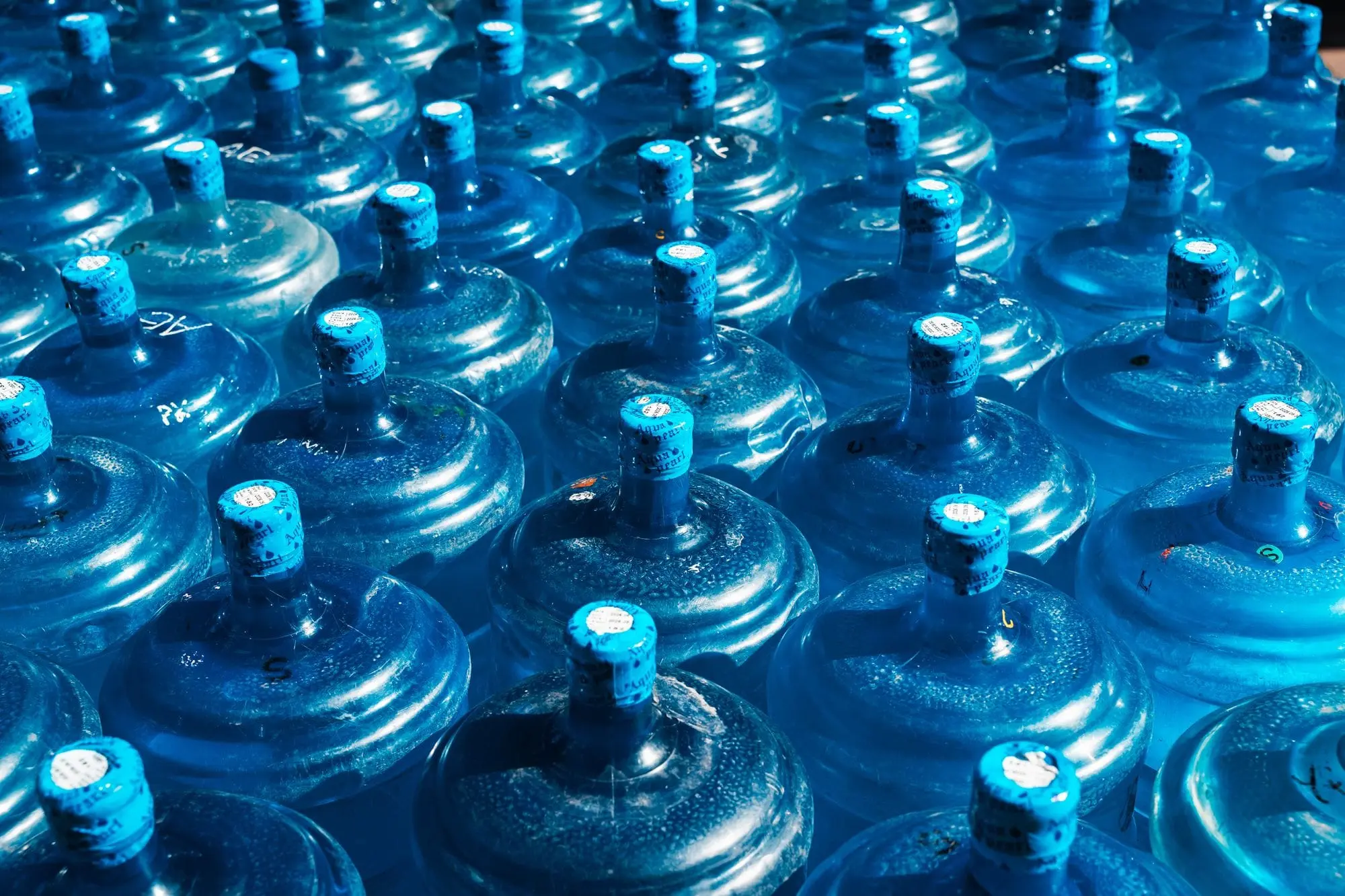
Water is essential for daily function. Even mild dehydration can affect concentration and mood. Many workplaces rely on bottled water or delivery systems. While this ensures availability, it does not always guarantee quality.
Some common concerns include:
- Storage conditions of bottled water
- Exposure to heat and sunlight
- Microplastic contamination
- Inconsistent supply and handling
Studies have found microplastics in a large share of bottled water samples. These particles enter the body over time and raise questions about long-term health effects.
Water dispensers connected to the building's water line are another option. However, they depend on the quality of the incoming water and the condition of their filters. When maintenance is irregular, safety suffers.
This creates a gap. Businesses invest in clean air and safe water, but the systems are disconnected. The result is partial improvement instead of a complete solution.
Where Air and Water Meet
The connection between air and water becomes clear when we look at how moisture exists in the environment. Air always contains water vapour. This vapour can be captured, treated, and converted into drinking water.
This is where air to water technology plays a role. It uses the air inside a space as the source for water production. Instead of relying on external supply chains, it creates water within the environment itself.
This approach brings two key benefits:
- It links air quality and water quality into one system
- It allows businesses to control both factors in a single process
When air is filtered before condensation, and the water is then treated again, the result is safer and more consistent drinking water. This creates a direct connection between the air employees breathe and the water they consume.
How Air to Water Technology Works in Practice
Air to water technology follows a structured process to convert humidity into clean drinking water. The system is designed to ensure safety at each stage.
Air Intake and Filtration
Air is drawn into the machine and passed through an air filter. This removes dust, particles, and pollutants.
Condensation Process
The filtered air is cooled. This turns water vapour into liquid droplets, similar to natural condensation.
Multi-Stage Filtration
The collected water passes through sediment, carbon and reverse osmosis stages that remove impurities and improve taste, then through a mineral filter that restores calcium, magnesium, potassium and sodium.
UV Sterilisation
UV protection, including a UV lamp in the tank, keeps bacteria and microorganisms out of the stored water.
Dispensing Options
The final output is dispensed hot and cold, or cold only, depending on the model.
This system creates a controlled cycle where both air and water are treated together. It is one of the most practical indoor health solutions available today.
Workplace Health Benefits of Integrated Air and Water Systems
When air and water are managed together, the impact on workplace health becomes noticeable.
1. Better Hydration
Employees are more likely to drink water when it is fresh and easily accessible. Consistent hydration supports focus, energy, and overall performance.
2. Reduced Exposure to Contaminants
Filtered air and multi-stage water treatment reduce the risk of consuming pollutants or microplastics.
3. Improved Comfort
Clean air and safe water contribute to a more comfortable environment. Employees feel better throughout the day.
4. Lower Dependence on External Supply
There is no need for bottled water deliveries. This removes storage issues and reduces handling risks.
5. Environmental Responsibility
Reducing plastic waste is an important step for businesses that want to operate responsibly. It also supports brand reputation.
A Practical Solution for Modern Workspaces
Businesses today need solutions that are simple, reliable, and effective. Complex systems that require constant attention often fail in daily use.
An example is the Minairal Air range, designed for both homes and workplaces. The Air Stand Pro produces 22 litres of water a day on average and includes a mineral filter for improved taste and quality. With no plumbing required, it can be installed easily in offices, fitness centres, hotels, and restaurants.
Key features include:
- 13, 16 or 22 litres a day on average, depending on the model
- Built-in mineral filtration
- UV protection for safety
- Three models, countertop to floor-standing
- Installation and maintenance by Minairal technicians
This type of system fits into daily operations without disruption. Employees can access clean water at any time, while businesses reduce reliance on external supply chains. We install and service these systems for offices in Bangkok.
The Business Case for Better Indoor Health Solutions
Investing in air and water quality is not only about health. It also affects business performance.
Productivity Gains
Employees working in clean environments are more focused and less likely to feel fatigued.
Cost Savings
Reducing bottled water purchases and delivery costs leads to long-term savings. Our impact calculator estimates the bottles a site replaces each year.
Brand Value
Businesses that adopt sustainable practices build stronger trust with customers and partners.
Operational Simplicity
A single system that manages both air and water reduces complexity.
These benefits make a strong case for adopting integrated solutions rather than treating air and water separately.
Why Traditional Approaches Fall Short
Many workplaces still rely on separate systems. Air purifiers handle air quality. Water dispensers handle hydration. These systems do not interact.
This creates gaps:
- Air may be clean, but water quality depends on external sources
- Water may be filtered, but air quality remains poor
- Maintenance is inconsistent across systems
Without integration, the overall impact remains limited. Businesses end up solving problems in isolation instead of addressing the root connection.
Minairal and Our Approach
At Minairal, we focus on creating practical indoor health solutions that connect air quality and water quality in a meaningful way. Our Air systems are designed to produce clean, mineral-rich water directly from the air while maintaining strict filtration and safety standards. See what they remove and what they restore.
We believe that access to safe drinking water should not depend on plastic bottles or external delivery systems. Our air to water technology allows businesses and households to take control of their water source while improving the indoor environment.
Our machines are built for ease of use, with simple setup and planned maintenance carried out by our own technicians. By combining air filtration, water generation, and remineralisation in one system, we help create healthier spaces for people to live and work.
Conclusion
Air quality and water quality are closely linked, yet they are often managed separately in most workplaces. This gap affects employee health, comfort, and productivity. Businesses that recognise this connection can create better environments by adopting integrated systems.
Air to water technology offers a clear path forward. It transforms the air inside a space into a reliable source of clean drinking water while improving overall indoor conditions. This approach reduces plastic waste, lowers costs, and supports long-term health.
Workplace health is not only about visible changes. It is shaped by the quality of the air people breathe and the water they drink every day. Addressing both together is the missing link that can lead to real improvement.
FAQs
1. What is air to water technology and how does it work?
Air to water technology captures moisture from the air, filters it, and converts it into clean drinking water. The process includes air filtration, condensation, multi-stage purification, UV protection and remineralisation to deliver safe, mineral-rich water.
2. How does air quality affect water quality in workplaces?
Air quality matters for water produced through air to water systems. Clean air results in cleaner water, while polluted air can introduce contaminants if not properly filtered. This is why the air filter and the water treatment stages work together.
3. Is air to water technology safe for daily drinking water?
Yes, when equipped with proper filtration and UV protection, air to water systems produce safe, high-quality drinking water. Minairal systems remove impurities, bacteria, and odours and restore essential minerals, and water quality is checked during maintenance visits.
4. Can air to water systems replace bottled water in offices?
Air to water systems can replace bottled water by providing a consistent, on-demand supply of fresh water. This reduces plastic waste, lowers costs, and removes the need for storage and delivery.
5. What are the workplace benefits of using indoor health solutions like this?
Indoor health solutions that combine air and water management improve employee hydration, reduce exposure to pollutants, enhance comfort, and support better productivity while promoting sustainability.
To find the right system for your workplace, request a site assessment.