Reducing Logistics and Deliveries with On-Site Water Production
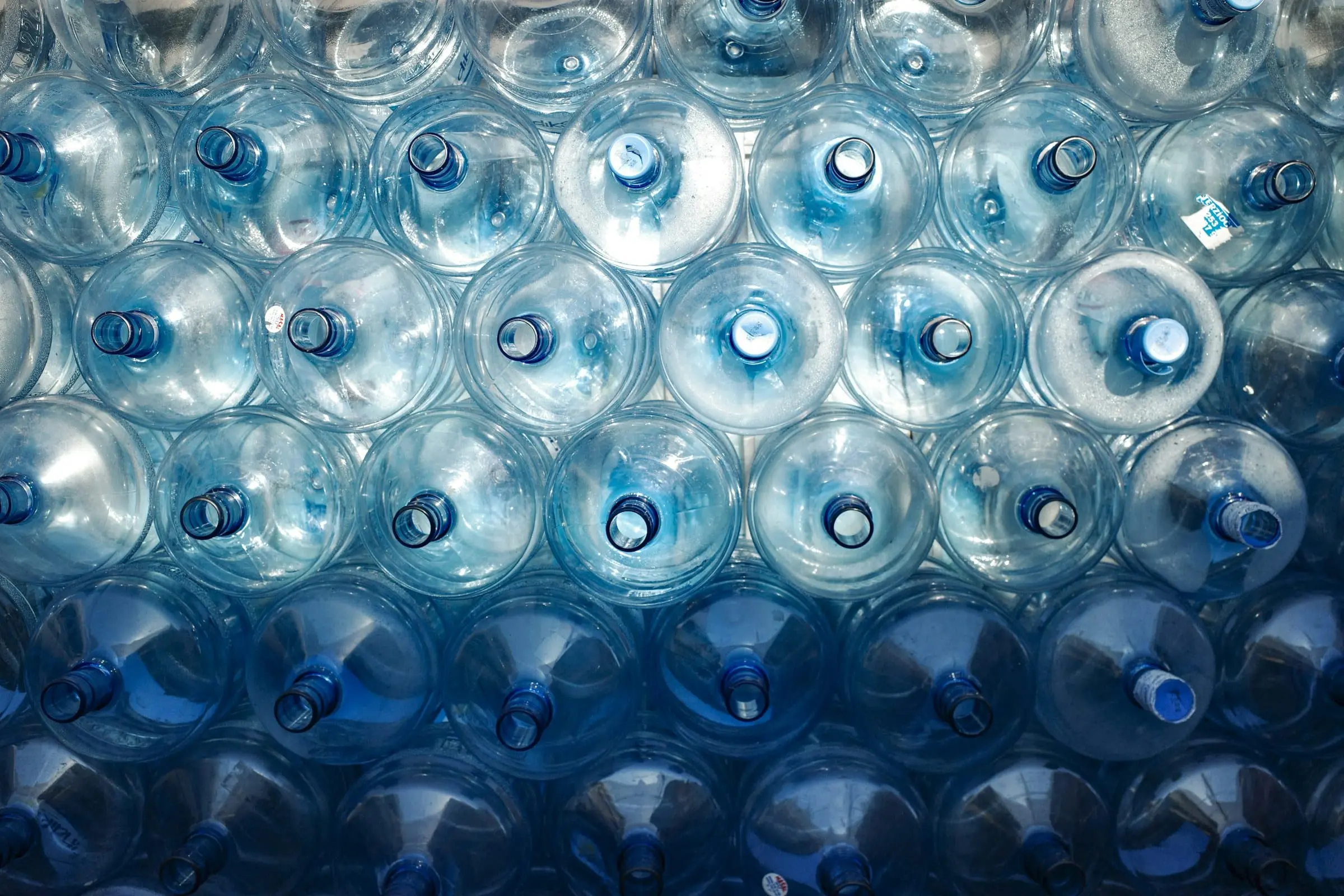
Water delivery has quietly become one of the most expensive and inefficient parts of running a home or business. Offices schedule weekly bottle shipments, restaurants manage storage for bulky containers, and households deal with plastic waste piling up every month. Behind the scenes, trucks move thousands of litres of water across cities every day.
Many organisations are beginning to question this model. Why transport water over long distances when it can be produced exactly where it is needed?
This is where on site water generation is changing the conversation. Instead of depending on delivery trucks and bottled supplies, modern systems now produce drinking water directly from the surrounding air. It sounds futuristic, yet it is already being adopted in homes, offices, hotels, and commercial spaces around the world.
For businesses and families looking to simplify operations, cut costs, and reduce environmental impact, the shift toward local water production is becoming a logical step.
The Hidden Cost of Water Deliveries
Water delivery services appear convenient on the surface. Bottled water arrives on schedule and dispensers keep it ready to use. But the process involves far more complexity than most people realise.
Each delivery requires transportation, fuel, labour, packaging, storage, and waste management. The cost is not only financial. It also affects sustainability and operational efficiency.
Some of the most common issues include:
Logistics management
Businesses must track deliveries, coordinate with suppliers, and ensure enough bottles are available. Delays can disrupt daily operations.
Storage requirements
Large water bottles take up valuable space in offices, kitchens, and storage areas.
Plastic waste
Even reusable bottles eventually wear out, and single-use plastics continue to contribute to environmental problems.
Recurring expenses
Water delivery becomes a continuous monthly cost that increases over time.
For organisations with multiple locations or high daily consumption, the logistics of water delivery can become surprisingly complex. On an island such as Koh Samui, every litre arrives by boat and then by truck.
This is why many companies now look for ways to eliminate water delivery altogether.
A New Approach to Water Supply
Advances in atmospheric technology have introduced a practical alternative. Instead of transporting water, machines can now produce it directly from humidity in the air.
This process is known as on site water generation. Atmospheric water generators pull moisture from the surrounding air, treat it through multi-stage filtration, and deliver clean drinking water on demand.
The concept is simple. Air contains water vapour. By condensing and treating that moisture, the system transforms it into fresh drinking water.
In humid climates, the technology is a natural fit.
Why Thailand Is Ideal for Atmospheric Water Generation
Countries with tropical climates have a major advantage when it comes to atmospheric water production. Thailand, for example, experiences high humidity throughout much of the year, within the 30% to 80% relative humidity range the systems are designed for.
This means there is abundant moisture in the air that can be converted into drinking water.
For homes and businesses across Thailand, this creates a reliable opportunity to shift away from bottled water and adopt on site water generation systems that operate daily without depending on supply chains.
This is where solutions like Minairal are gaining attention.
Introducing Minairal: Turning Air into Mineral Water
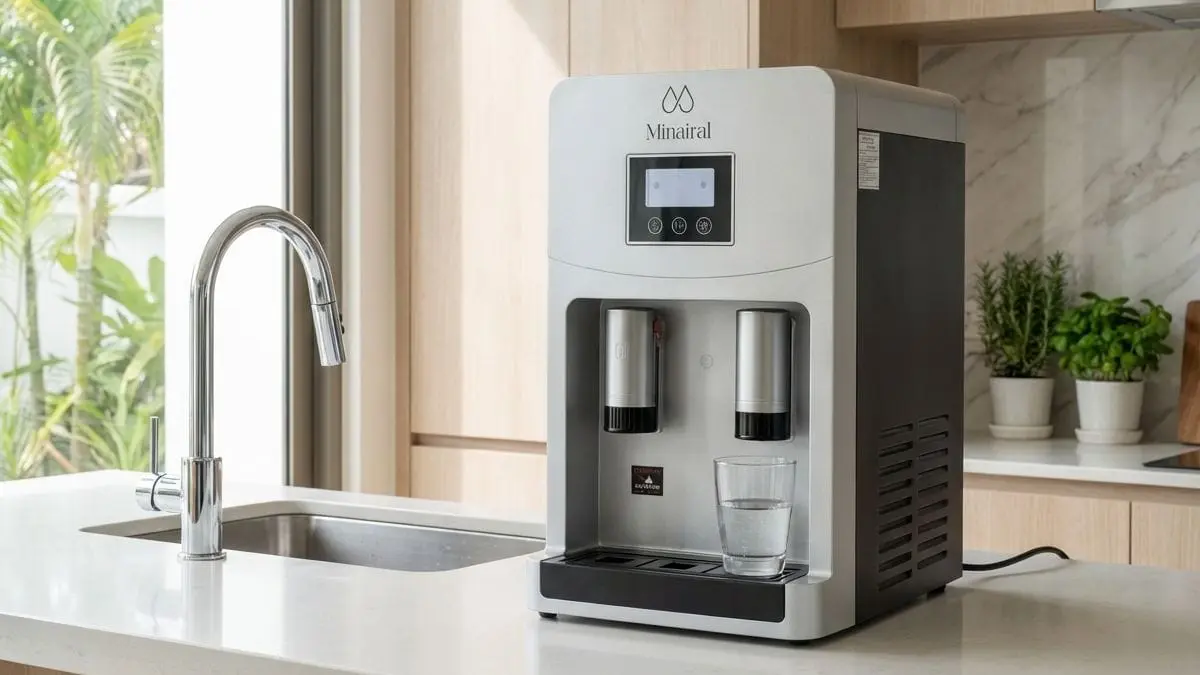
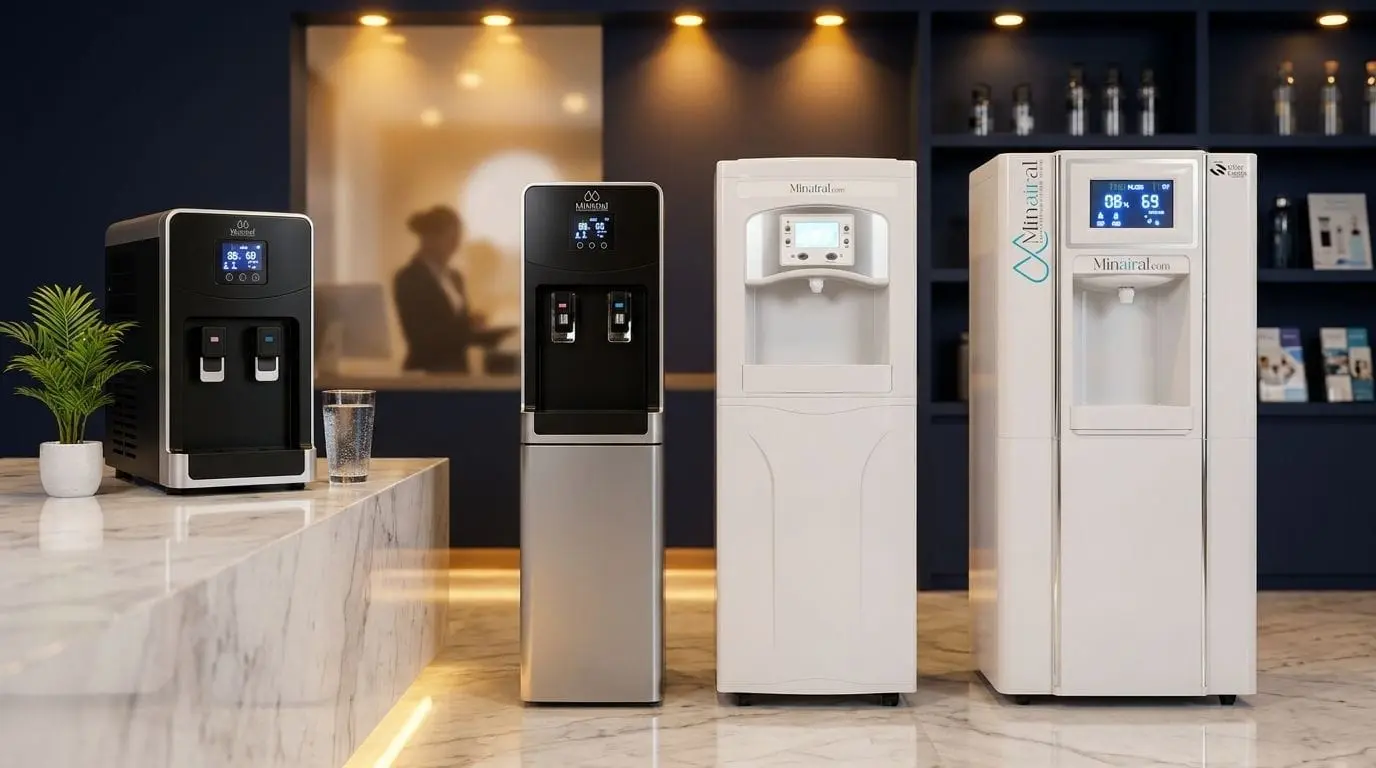
The Minairal Air range offers a practical and modern way to produce drinking water directly from the air. Designed for humid environments like Thailand, the system converts atmospheric moisture into clean, mineral-enriched water that is ready to drink.
Instead of managing deliveries, bottles, and storage, users simply plug in the unit and begin producing water.
The result is a steady supply of fresh drinking water without relying on external supply chains.
For homes, offices, cafés, and small businesses, this shift can significantly reduce logistical complexity.
How On-Site Water Production Works
Atmospheric water generators operate through a multi-stage process that transforms air moisture into safe drinking water.
Here is a simplified breakdown.
Air collection
The system draws in surrounding air that contains humidity, through an air filter.
Condensation
Moisture from the air is cooled and condensed into water droplets.
Filtration and purification
The collected water passes through sediment, carbon and reverse osmosis stages that remove dust, particles, and contaminants.
Mineral enhancement
Calcium, magnesium, potassium and sodium are restored to improve taste and balance.
UV protection
Ultraviolet light keeps bacteria out of the stored water.
The final result is fresh, alkaline mineral water that is ready for drinking.
Minairal's Air Stand Pro uses a seven-stage treatment process, including UV protection, to deliver clean water with a pH of 8.5 or above. See what the systems remove and what they restore.
Eliminating the Delivery Chain
One of the biggest advantages of on site water generation is the ability to eliminate water delivery entirely.
When water is produced locally, there is no longer a need for:
- Delivery trucks
- Storage for heavy bottles
- Supply scheduling
- Plastic bottle disposal
- Reordering and logistics management
Instead, water becomes a self-produced resource available whenever it is needed.
For businesses, this change simplifies operations. For families, it removes the inconvenience of managing bottled water supplies.
Practical Benefits for Homes and Businesses
The move toward atmospheric water generation is not just about convenience. It also creates several practical benefits that directly impact cost, sustainability, and reliability.
1. Reduced Operational Costs
Bottled water requires continuous spending. Each delivery adds to the long-term cost.
Producing water on site reduces these recurring expenses. Once installed, Minairal systems primarily require electricity and the maintenance plan.
2. Reliable Water Supply
Delivery delays can happen due to traffic, weather, or supply disruptions.
With on site water generation, water is produced daily. As long as electricity is available, the system continues generating fresh drinking water, independently of the water network.
3. Minimal Environmental Impact
Plastic bottles and transportation emissions contribute to environmental problems.
Local water production reduces both plastic waste and transport-related carbon emissions. Our sustainability page details what a point-of-use system removes.
4. Space-Saving Design
Atmospheric water generators eliminate the need to store large water bottles.
This is especially valuable in urban homes, small offices, cafés, and retail spaces where storage is limited.
5. Fresh Water on Demand
Minairal systems produce 13, 16 or 30 litres of water a day on average, depending on the model. This output is suitable for households, small teams, or hospitality environments.
Users can access cold water, or hot and cold water on the Air Top and Air Stand, making it convenient for daily use.
Designed for Tropical Conditions
Not every water generation system performs equally in humid environments. Minairal's Air range is chosen to perform in tropical climates like Thailand.
The systems are designed for relative humidity between 30% and 80%, allowing them to generate water consistently throughout the year.
They plug into a standard power socket, with no plumbing and no water connection.
For homes and businesses that want independence from bottled water suppliers, this makes the solution particularly attractive.
Low Maintenance and Long-Term Reliability
A common concern with water purification systems is maintenance. Minairal addresses this with planned maintenance carried out by its own technicians, from three service centres in Koh Samui, Phuket and Hua Hin.
The pre-filter is replaced every six months and the other cartridges every 12 months. Preventive checks and cleaning are carried out on schedule, which helps ensure the system continues operating efficiently.
Because the water is produced locally and treated through multiple stages, users maintain control over the quality of the water they consume.
A Smarter Approach to Sustainability
Sustainability has become a priority for both households and organisations. Water consumption is often overlooked in environmental discussions, yet bottled water creates significant waste and transportation emissions.
Adopting on site water generation is a simple step toward reducing environmental impact.
When users eliminate water delivery, they reduce plastic usage, lower transportation emissions, and rely less on groundwater extraction.
Producing water directly from air humidity is also a renewable approach that makes use of an abundant natural resource.
For environmentally conscious businesses, this shift aligns well with sustainability goals and corporate responsibility initiatives. Our impact calculator estimates the bottles and litres a site replaces each year.
Who Can Benefit from Atmospheric Water Generators?
While many people associate this technology with residential use, the applications are much broader.
Atmospheric water generation can benefit:
- Households: Families gain a continuous supply of clean drinking water without managing bottled deliveries.
- Offices: Workplaces reduce logistics while ensuring employees have easy access to drinking water.
- Cafés and restaurants: Food service businesses can maintain a reliable water supply for beverages and food preparation.
- Hotels and resorts: Properties remove bottle deliveries and offer guests mineral water produced on site.
- Remote locations: Places without consistent water infrastructure can generate drinking water locally.
Because Minairal systems need no plumbing, they can fit comfortably into many environments.
The Future of Water Supply
Water scarcity and supply chain challenges are becoming global concerns. As urban populations grow, traditional water distribution models face increasing pressure.
Technologies that produce water locally may play a major role in future water systems.
On site water generation offers a decentralised solution that reduces dependence on infrastructure and transportation networks.
Instead of moving water across cities, communities can produce it where it is consumed.
This shift mirrors broader trends in energy and food production where local generation is becoming more common.
Why Minairal Stands Out
For consumers and businesses exploring atmospheric water technology in Thailand, Minairal provides a well-balanced solution.
Key advantages include:
- 13, 16 or 30 litres of water a day on average, depending on the model
- Multi-stage filtration with mineral enhancement
- UV protection for safety
- Hot and cold water on the Air Top and Air Stand
- Installation and maintenance by Minairal technicians
- Over 700 systems installed across Thailand
By combining these features with reliable performance, Minairal helps users eliminate water delivery while enjoying a steady supply of mineral-rich drinking water.
A Simple Step Toward Water Independence
For decades, bottled water deliveries have been the default option for homes and businesses. Yet the model depends heavily on logistics, transportation, and plastic packaging.
Atmospheric water generation introduces a different approach.
Instead of relying on external supply chains, water can now be produced directly where it is needed.
With Minairal systems, the transition is straightforward. Plug in the machine, allow it to collect moisture from the air, and enjoy clean mineral water whenever you need it.
For those looking to reduce costs, simplify logistics, and support sustainability, on site water generation is quickly becoming a smart long-term solution.
And as more people choose to eliminate water delivery, producing water from air may soon become the new standard for modern living.
FAQs
1. What is on site water generation?
On site water generation is a technology that produces drinking water directly at the location where it is needed. Systems such as atmospheric water generators extract moisture from the air, treat it through filtration and UV protection, and deliver clean mineral drinking water without relying on external water supplies or delivery services.
2. How does an atmospheric water generator produce drinking water?
An atmospheric water generator pulls humid air into the machine and condenses the moisture present in the air. The collected water then passes through multiple filtration stages, mineral enhancement, and UV protection to ensure the water is clean, safe, and ready for drinking.
3. Can on site water generation really eliminate water delivery?
Yes. When a system continuously produces water from the surrounding air, there is no longer a need for bottled water shipments. Many homes and businesses adopt this technology specifically to eliminate water delivery and avoid managing bottle storage, logistics, and recurring supply costs.
4. Is atmospheric water generation suitable for humid climates like Thailand?
Yes. Thailand's humidity stays within the 30% to 80% range the systems are designed for, which allows machines such as the Minairal Air range to produce water consistently throughout the year.
5. How much water can a Minairal atmospheric water generator produce daily?
The Air Top produces 13 litres a day on average, the Air Stand 16 litres and the Air Stand Pro 30 litres. This output suits households, offices, cafés, and small businesses that need a steady supply of clean drinking water. Sites with higher demand combine several units, which is settled at the site assessment.
To size a system for your site, request a site assessment.