Minairal

Is tap water safe to drink in Koh Samui and Thailand?

Short answer: no. Mains water in Koh Samui, and across Thailand, is not intended to be drunk at the tap. This guide explains what the water can carry, why bottled water is not the fix it appears to be, and the two ways to produce drinking water on site.

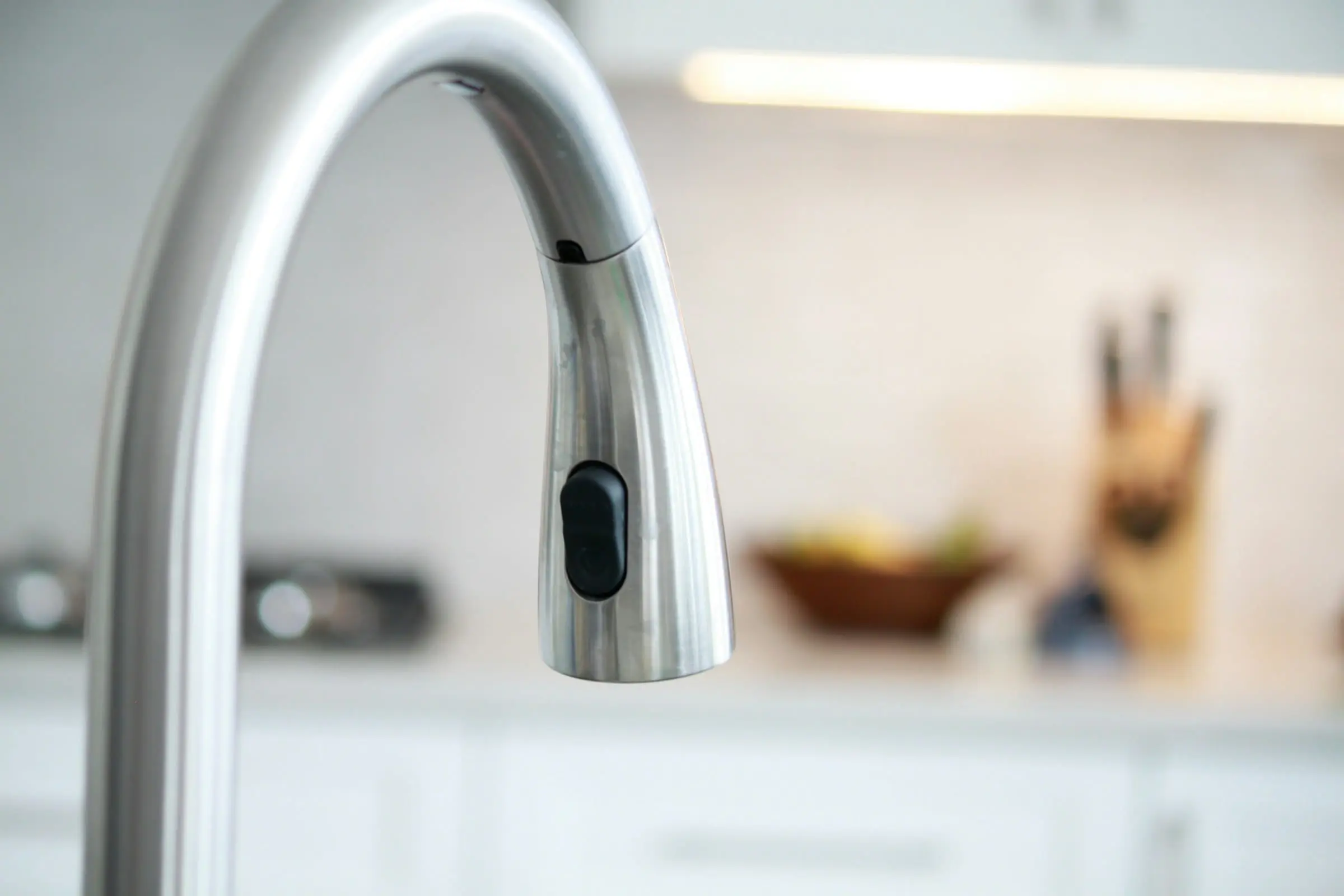
A stainless steel kitchen tap

The direct answer.

Thai mains water is not intended to be drunk at the tap. Depending on the province and the season it can carry chlorine and its by-products, sediment and heavy metals, and there is a bacteriological risk wherever the network is old or intermittent.

On Koh Samui, as on other islands and along the coast, the network adds two constraints of its own: salinity, and pressure loss at peak demand.

What the water carries varies by province, season and building, so treatment is specified for a site, not for a country. This guide describes the network and the options. It is not medical advice.

What mains water can carry.

With the conditions under which each applies, and the stage that deals with it on a Minairal system.

What the water can carryWhen it appliesWhat deals with it on site
Chlorine and its by-productsMains networks, depending on province and seasonPre-filter, which reduces chlorine taste, then post-carbon polishing for taste and smell
Sediment: sand, rust, dirtMains networks, depending on province and seasonSediment and pre-filter, which also protects the stages downstream
Heavy metalsDepending on province and seasonReverse osmosis at 0.0001 micron
Bacteriological riskWherever the network is old or intermittentFiltration, with continuous UV-C sterilisation on Pure systems
SalinityIsland and coastal networksReverse osmosis, which removes dissolved contaminants
Pressure loss at peak demandIsland and coastal networksAn Air system, which does not depend on the network
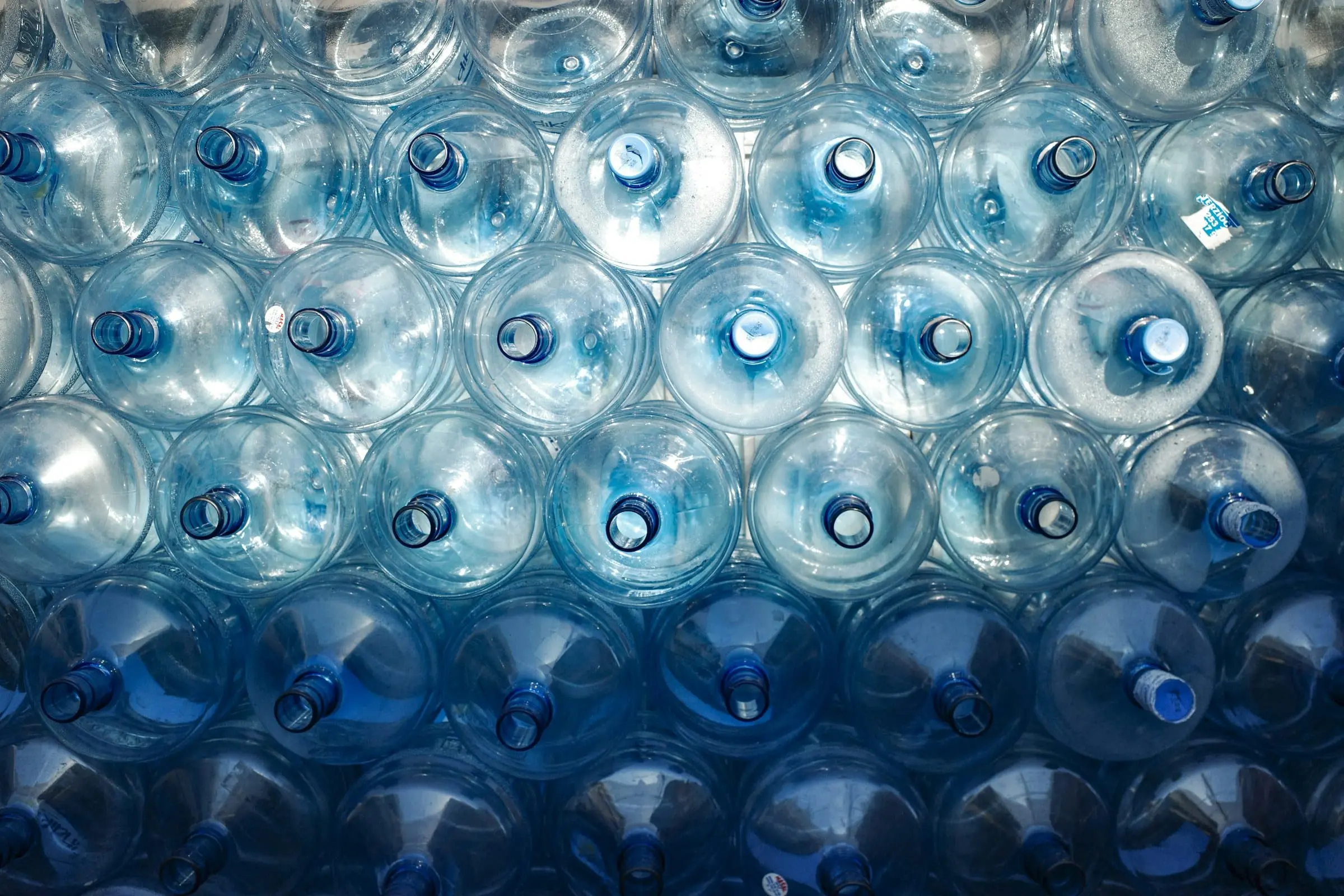
Bottled water stacked in packs, ready for delivery

Why bottled water moves the problem.

Bottled water is the usual answer to unsafe tap water, and it moves the problem rather than solving it. Quality depends on the bottler and on how the bottle was stored.

Every litre delivered also joins a waste stream the country already struggles to process. On an island the chain is longer: every litre arrives by boat and then truck, is chilled on the way, and leaves again as waste.

The volumes add up quickly. At two litres a day from half-litre bottles, one person uses 1,460 bottles a year. A site of fifty people uses 73,000.

Run the figures for your site

The options on site.

There are two ways to produce drinking water where it is drunk. Both end the same way: filtered water, remineralised with calcium, magnesium, potassium and sodium, at an alkaline pH.

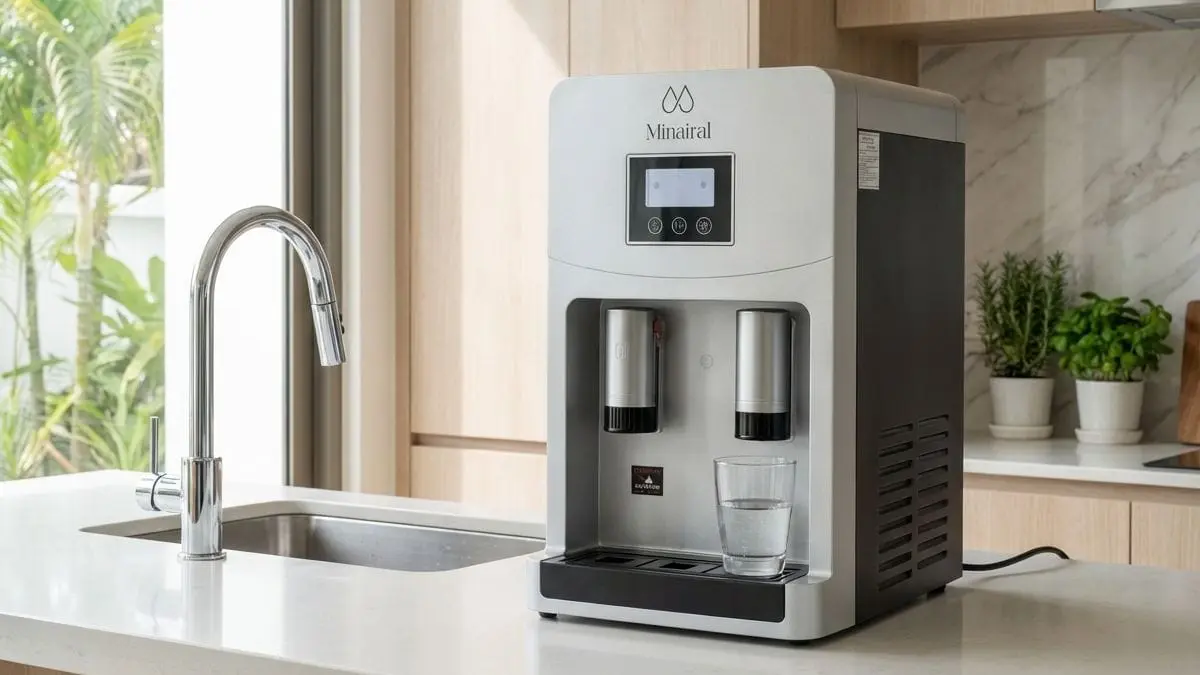
A Minairal Pure countertop system connected beside a kitchen tap

Filter the mains: reverse osmosis.

A reverse osmosis system filters the existing water line through a membrane rated at 0.0001 micron, which removes heavy metals and dissolved contaminants. On a Minairal Pure system the sequence is pre-filtration, reverse osmosis at 75 GPD, post-carbon polishing and a Biocera mineral filter, then hot 90°C and cold 4°C dispensing. Output is stable.
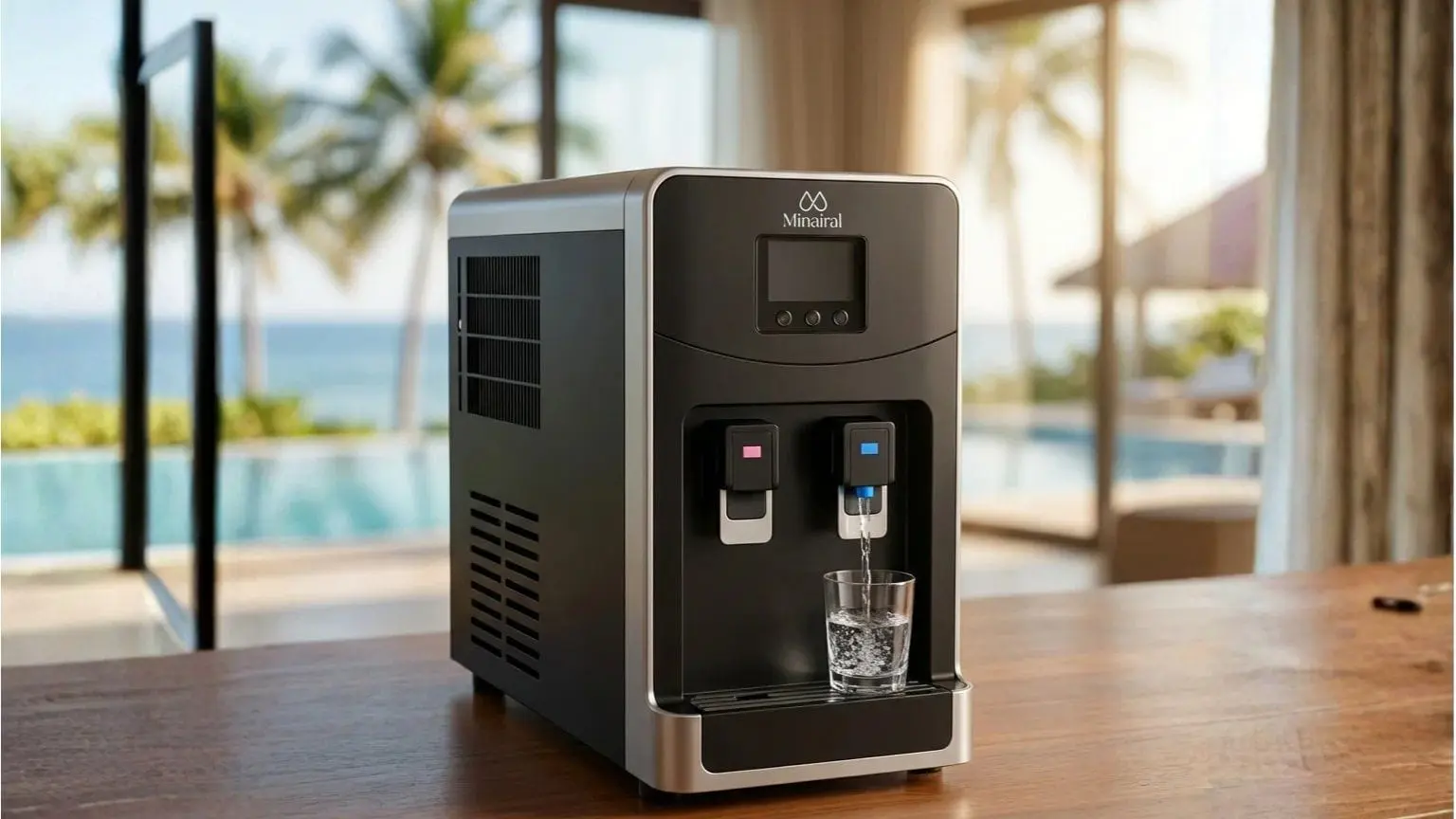
A Minairal Air Top dispensing water on a table facing a pool and the sea

Make it from the air: atmospheric water generation.

An atmospheric water generator, or air-to-water system, condenses humidity from the air and treats it on site, with no connection to the network. Output is 13, 16 or 30 litres a day on average depending on the model, for relative humidity between 30% and 80% and an average temperature of 25°C.

Bottled, filtered or made from air.

Bottled waterPure: reverse osmosis on the mainsAir: water from humidity
Where the water startsAt a bottler, off siteYour existing water lineHumidity in the air
Depends on the networkNo, but depends on deliveriesYesNo
DeliveriesEvery bottle, by road, and by boat to an islandNoneNone
OutputWhat is deliveredStable13 to 30 L a day on average, by model
Quality checksDepend on the bottler and on storageTDS and pH at each maintenance, yearly laboratory testTDS and pH at each maintenance, yearly laboratory test
UpkeepStorage, ordering, disposalPre-filter every 4 months, other cartridges every 12 monthsPre-filter every 6 months, other cartridges every 12 months

A fuller comparison is in our guide to air-to-water, reverse osmosis and bottled water. Read the comparison

How Minairal verifies the water.

TDS and pH are checked during every routine maintenance visit. Once a year, as part of our business service plan, water produced on site can be tested by an independent laboratory accredited to ISO 17025. The laboratory report for your site is available on request.

Ask for the laboratory report for your site

pH
8.5 or more, alkaline
Total dissolved solids
40 to 80 ppm
Minerals restored
Calcium, magnesium, potassium, sodium
At each maintenance
TDS and pH checked
Once a year
ISO 17025 laboratory test, business service plan
Filter cartridges
Pre-filter every 4 to 6 months by system, other cartridges every 12 months

In Koh Samui.

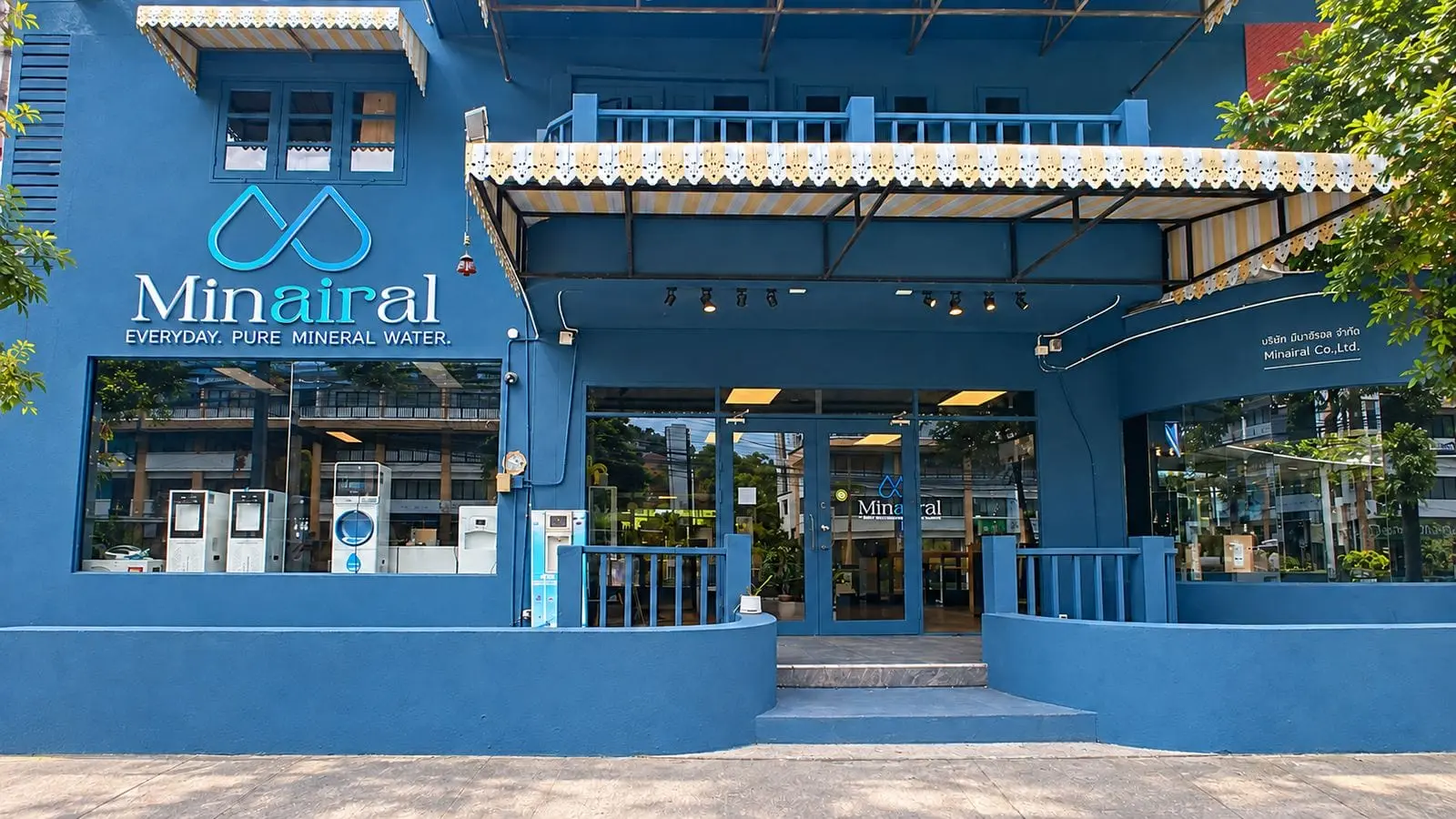
Minairal is based in Bo Phut, Koh Samui, where the head office, the showroom and a service centre share one address. Koh Phangan is served from Koh Samui.

Technicians are on our payroll and parts are held at the centre: same day in most cases, 48 hours at the latest.

Drinking water systems in Koh Samui

For your home: water filters on our online shop

The Minairal head office and showroom in Bo Phut, Koh Samui

Questions about tap water.

Can you drink tap water in Koh Samui?

Mains water in Koh Samui is not intended to be drunk at the tap. Like the rest of Thailand it can carry chlorine and its by-products, sediment, heavy metals and bacteriological risk where the network is old or intermittent. As an island network, it adds salinity and pressure loss at peak demand.

Is tap water safe to drink anywhere in Thailand?

Mains water in Thailand is not intended to be drunk at the tap. What it carries depends on the province and the season, so the treatment needed varies from one site to another.

Is bottled water the safer option?

It moves the problem rather than solving it. Quality depends on the bottler and on how the bottle was stored, and every bottle joins a waste stream. On an island, every litre also arrives by boat and then truck.

Does a reverse osmosis system make tap water drinkable?

A reverse osmosis system with pre-filtration, a 0.0001 micron membrane, post-carbon polishing and remineralisation is designed to produce drinking water from the mains. On Minairal systems the result is checked: TDS and pH at each maintenance, and an independent ISO 17025 laboratory test once a year in the business service plan.

What if the water supply is cut or the pressure drops?

A system on the mains depends on the mains. An air-to-water system does not: it makes water from humidity in the air and keeps producing when the network does not. The systems work between 30% and 80% relative humidity.

Want the figures for your own water?

Request a site assessment. We specify the treatment for your site, and once the system runs, the laboratory report is available on request.