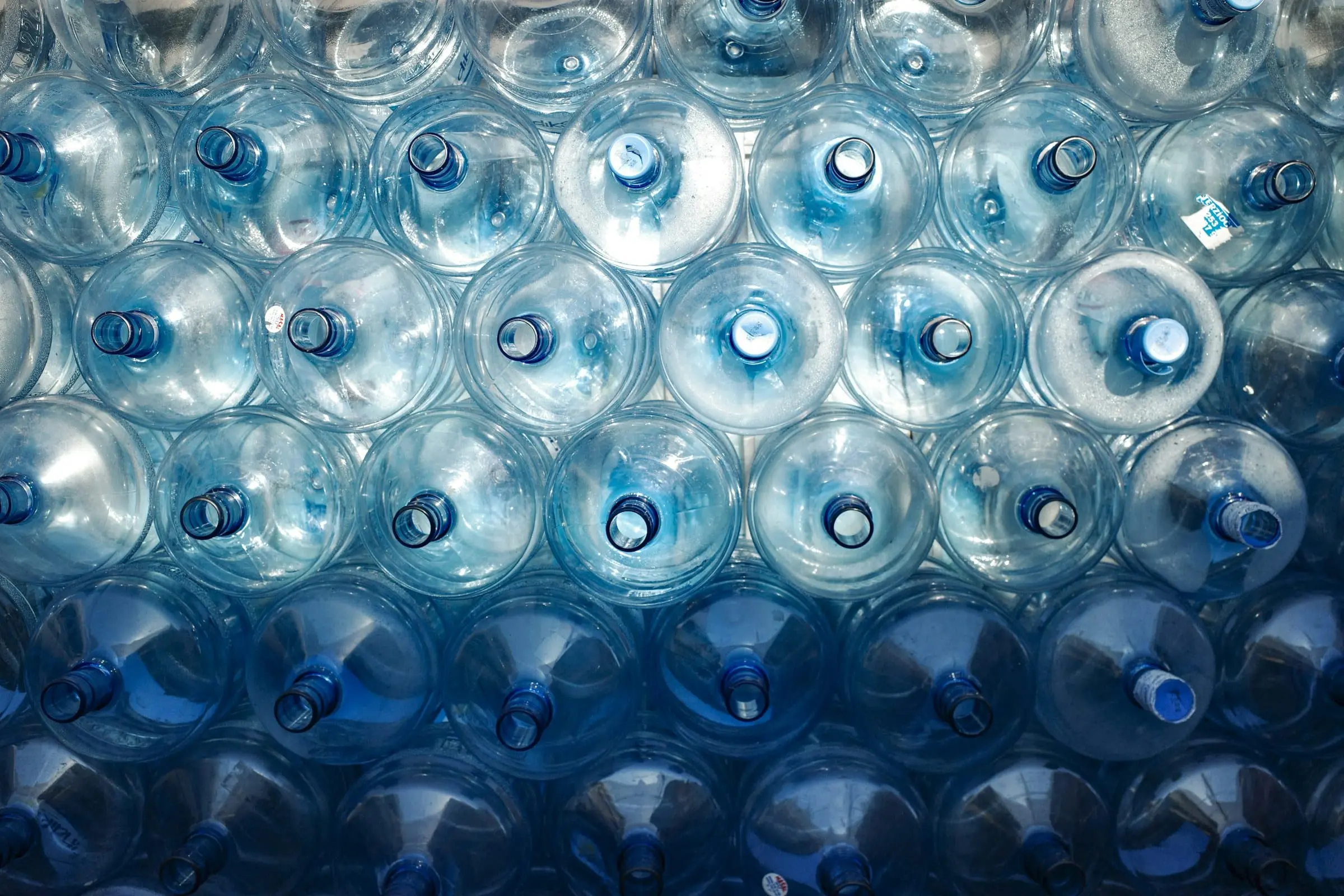
In Thailand, as in many other countries, bottled water has been a convenient and accessible option. However, the environmental cost of this convenience has been severe. The accumulated plastic waste from single-use bottled water in Thailand has led to clogged waterways, polluted beaches and harm to marine ecosystems. With growing environmental awareness, the move towards sustainable hydration solutions has gained momentum. Among these innovations, air-to-water machines have become a leading alternative in Thailand's fight against plastic pollution.
The Problem with Bottled Water in Thailand
A hot, humid climate makes Thailand a place where nobody can afford to go without water. Bottled water use has soared over the past few decades, but it has a dark side:
- Massive plastic waste: Thailand is among the world's significant contributors to marine plastic pollution, and much of this waste comes from single-use water bottles.
- High energy use in production: making plastic bottles consumes energy and resources, much of it from fossil fuels, so their emissions are high.
- Low recycling rates: despite ongoing campaigns to increase recycling, a large share of plastic bottles still ends up in landfill or in the ocean.
What Are Air-to-Water Machines?
Air-to-water machines, also called atmospheric water generators, are devices that draw moisture from the air and transform it into clean drinking water. They filter and treat the water they condense so it is fit to drink. With this technology, there is no need to spend a baht on plastic bottles, and the source of drinking water never runs dry.
How Air-to-Water Machines Work
Air-to-water machines produce clean water through a multi-step process:
- Condensation: the machine draws in moist air and cools it to condense the water vapour.
- Filtration: the condensed water is filtered in several stages, including reverse osmosis, to remove impurities and contaminants.
- Protection: UV protection keeps the water safe in the system and in storage.
- Mineralisation and storage: calcium, magnesium, potassium and sodium are restored, and the water is stored in a built-in tank, ready to dispense.
Our guide to how atmospheric water generators work goes into the physics behind each step.
The Environmental Benefits of Air-to-Water Machines
Reduction in Plastic Waste
At two litres a day from half-litre bottles, one person uses 1,460 plastic bottles a year. A single air-to-water machine on a site of ten people therefore prevents close to 15,000 bottles a year from entering Thailand's waste streams. Our impact calculator gives the figure for your own site.
Lower Carbon Footprint
Because air-to-water machines do not require the manufacturing, bottling and transport of bottled water in Thailand, they have a lower carbon footprint and shorten the supply chain to the length of a power cord.
Conservation of Natural Resources
The production of bottled water in Thailand uses significant amounts of water and energy. In contrast, air-to-water machines run on the humidity in the air, saving valuable resources and leaving groundwater in the ground.
Prevention of Microplastic Pollution
Microplastics shed by plastic bottles often reach water sources and pose a threat to both humans and marine life. By using air-to-water machines, people can significantly reduce the quantity of microplastics released into the environment.
Economic Advantages of Air-to-Water Machines
- Cost savings: over time the savings are significant, because households and companies stop buying bottled water altogether.
- Supporting the local economy: adopting air-to-water machines supports local installation and maintenance work, creating jobs and strengthening Thailand's economy.
- No deliveries: the supply is continuous, with no orders to place, no storage to manage and no empty bottles to dispose of.
Air-to-Water Machines in Thailand: A Growing Trend
Government Support and Policies
The Thai government has recognised the need to reduce plastic pollution and encourage sustainable practices. Policies restricting single-use plastics create favourable conditions for the adoption of air-to-water devices. Campaigns against plastic waste and the phasing out of plastic bags have opened the door to greater environmental awareness.
Corporate Adoption
There has been a visible increase in businesses, mainly in hotels, resorts and restaurants, using air-to-water machines as part of their commitment to sustainability. Hospitality leads the way in replacing bottled water with greener alternatives. See water systems for hotels and resorts.
Community Engagement
Non-profit organisations and community groups also have a role in spreading air-to-water technology, promoting grassroots adoption and educating local communities on its environmental and economic benefits.
How Individuals Can Contribute
Invest in an air-to-water machine: a family can take part in the move away from plastic by choosing an air-to-water machine for the home. The upfront cost is offset by the bottles it replaces year after year.
Encourage businesses to invest in green solutions: consumers can make a difference by asking the businesses they use to adopt solutions such as air-to-water machines instead of bottled water.
Raise awareness in Thailand: sharing information about air-to-water machines and their benefits can inspire others to make sustainable choices.
The Future of Hydration in Thailand
The shift from bottled water to air-to-water machines is just the beginning of Thailand's journey towards sustainable hydration. With continued innovation and support, air-to-water technology can become a mainstream solution, significantly reducing the nation's reliance on plastic bottles. As more individuals, businesses and communities embrace this eco-friendly alternative, Thailand can lead by example in the global fight against plastic pollution.
Minairal Air-to-Water Solution: Mineral Drinking Water
Enjoy fresh mineral water with Minairal's Air range of air-to-water dispensers. These plug-and-play systems extract moisture from the air, transform it into clean drinking water and require no plumbing. Depending on the model, water is dispensed hot and cold, or cold, at the touch of a button. Suited to homes, offices and businesses, it is an eco-friendly choice that leaves out plastic waste and replaces bottled water in Thailand. Minairal installs and services its systems across Thailand from service centres in Koh Samui, Phuket and Hua Hin. For your home, see our online shop; for a business, contact us.
Final Thoughts
Air-to-water machines are a promising solution to Thailand's plastic waste problem. They help reduce environmental pollution by replacing bottled water in Thailand, and they offer economic and practical benefits. This is the right step towards a greener future, especially now that Thailand is serious about sustainability. Investing in these machines and supporting green practices makes for a healthier world for the coming generations. To compare the options side by side, read air-to-water vs reverse osmosis vs bottled water, and learn more on our sustainability page.